211 articles — showing all

A Moderate Group Difference, Not a Diagnostic Test: Appraising the Pooled Evidence on Urinary Kidney Injury Molecule-1 in Neonatal Acute Kidney Injury
Epidemiology & BiostatisticsMeta-analysis

A Moderate Group Difference, Not a Diagnostic Test: Appraising the Pooled Evidence on Urinary Kidney Injury Molecule-1 in Neonatal Acute Kidney Injury

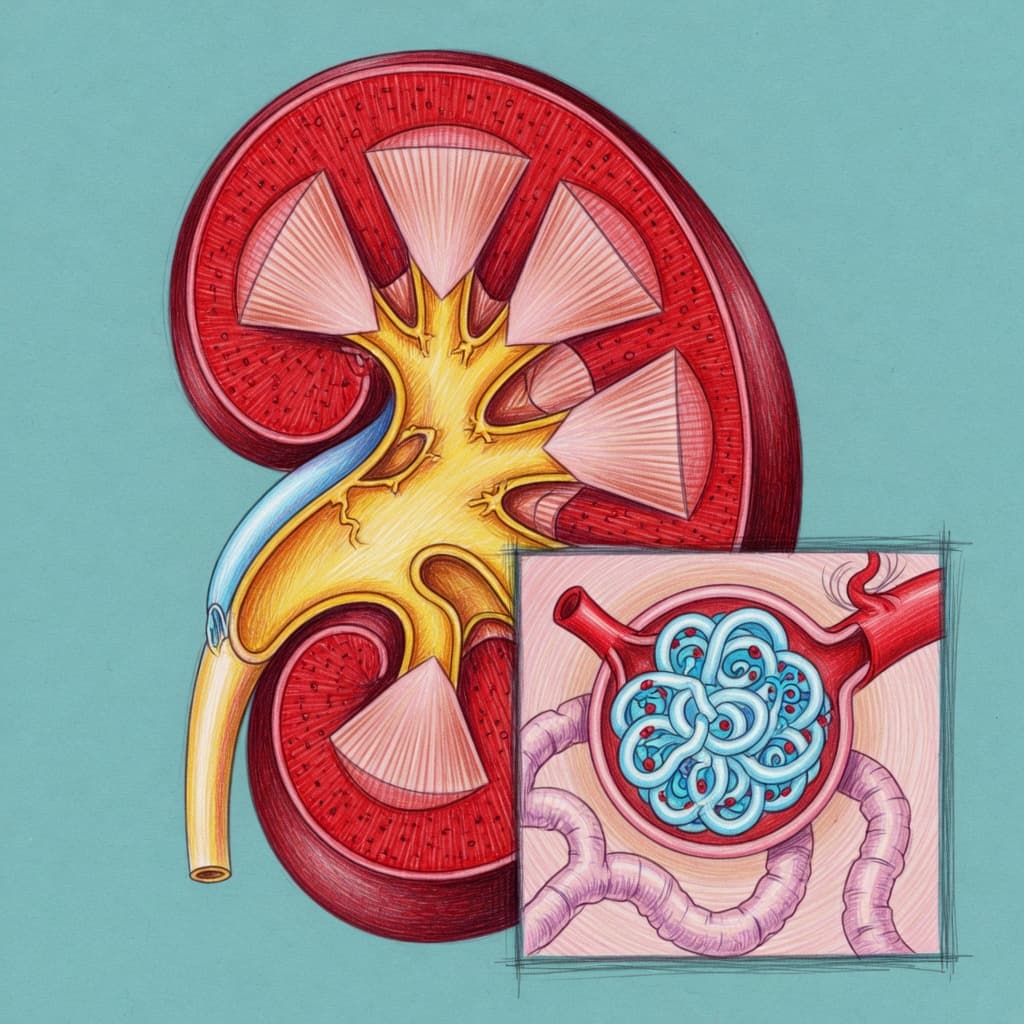
Researchers combined 13 small studies of 552 newborns to ask whether a protein in a baby's urine, called kidney injury molecule-1, is raised when the kidneys have been injured. It was — but only moderately, and the studies disagreed a great deal, so the researchers rated their own confidence in the…

scientificclinicalfamily
A Patented Double-Lumen Tracheal Tube Delivers Surfactant Without a Detectable Penalty Against Thin-Catheter Instillation
Randomized Clinical TrialPharmacology

A Patented Double-Lumen Tracheal Tube Delivers Surfactant Without a Detectable Penalty Against Thin-Catheter Instillation

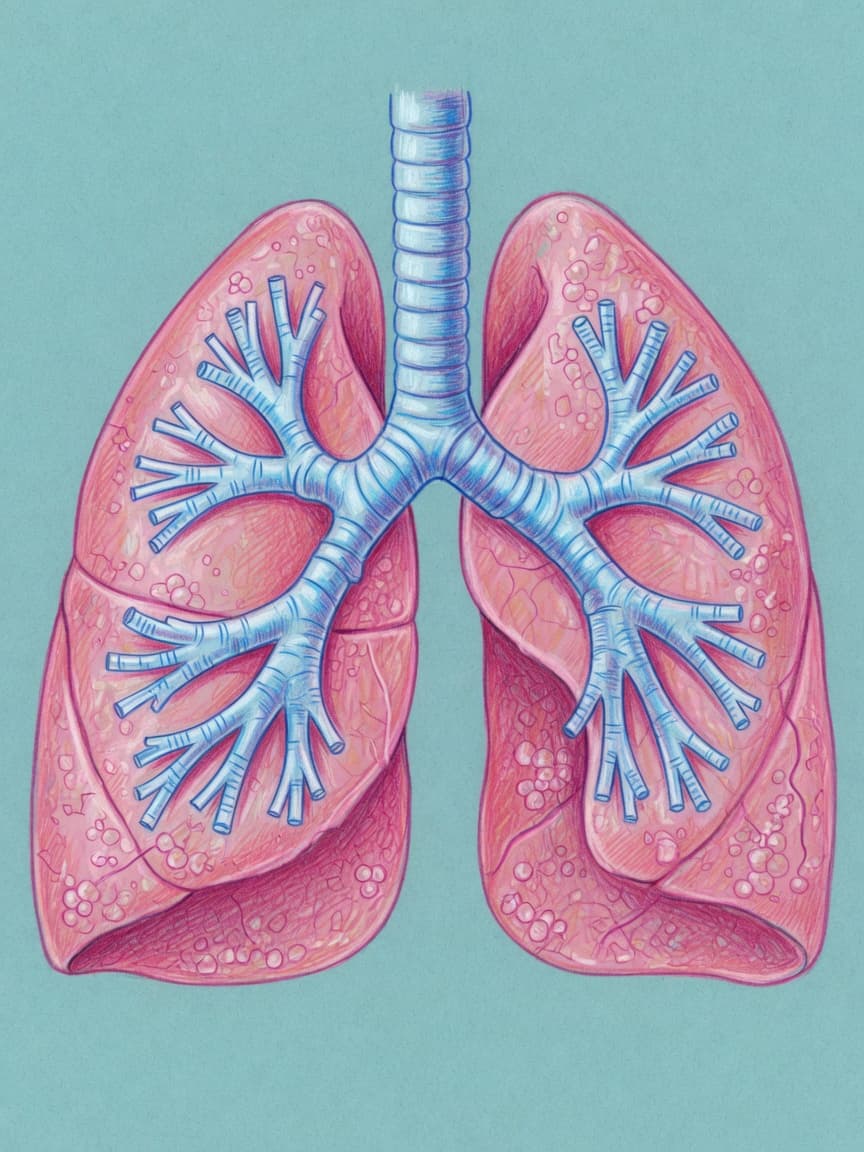
Premature babies often lack surfactant, a substance that keeps the tiny air sacs in the lungs from collapsing, so doctors give it as a medicine soon after birth. A study of 138 babies in six Chinese hospitals compared the usual method — a thin tube passed briefly into the windpipe — with a newly…

scientificclinicalfamily
Enteral Vitamin A and the Elusive Prevention of Bronchopulmonary Dysplasia
Meta-analysisNutrition & Metabolism

Enteral Vitamin A and the Elusive Prevention of Bronchopulmonary Dysplasia

Premature babies are often given vitamin A in the hope of protecting their fragile lungs from a chronic lung condition called bronchopulmonary dysplasia. A 2025 review combined five clinical trials involving 1,715 very premature babies and found that vitamin A given by mouth did not meaningfully…

scientificclinicalfamily
Physiological-Based Cord Clamping Does Not Improve Intact Survival in Very Preterm Infants, but Halves Anaemia-Related and Infectious Morbidity
Randomized Clinical TrialPhysiology

Physiological-Based Cord Clamping Does Not Improve Intact Survival in Very Preterm Infants, but Halves Anaemia-Related and Infectious Morbidity

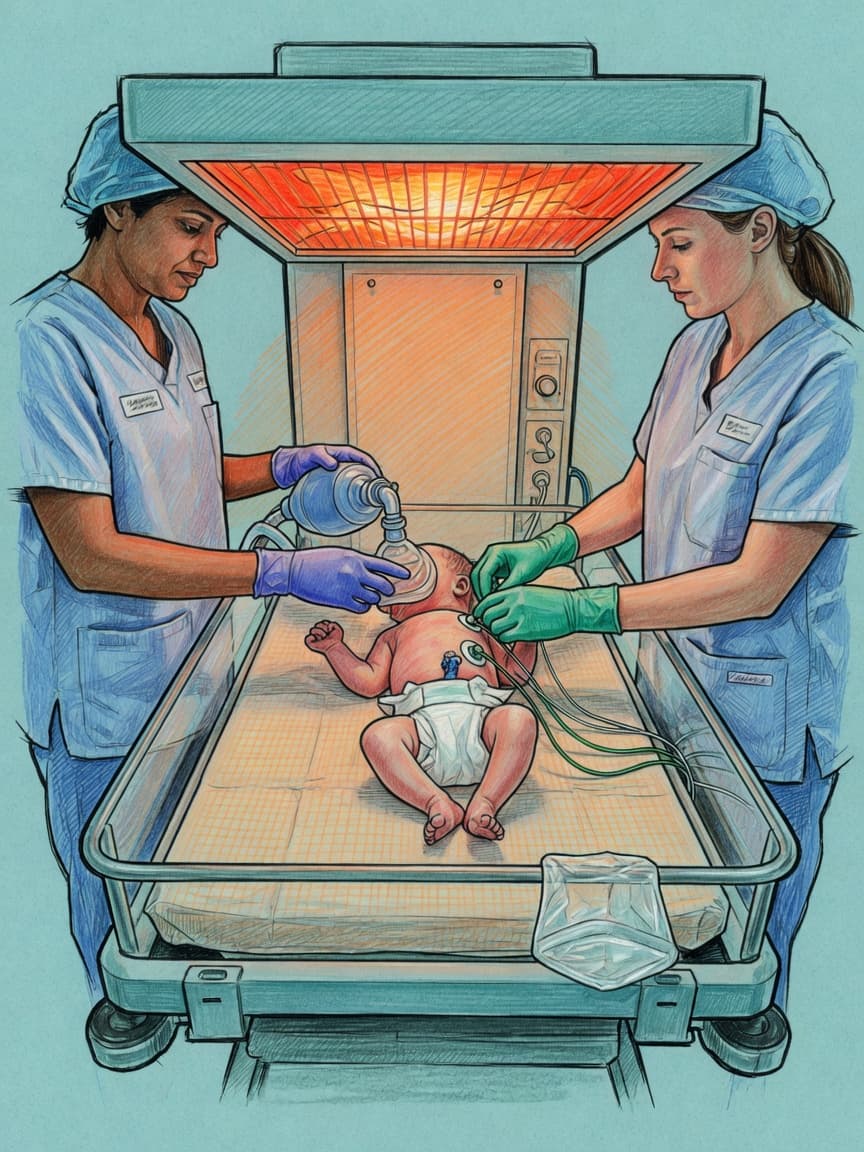
A large European study has tested a gentler way to handle the umbilical cord at a very premature birth: instead of clamping the cord after a set number of seconds, doctors waited until the baby was breathing well and stable before clamping. This approach did not increase the number of babies who…

scientificclinicalfamily
Kidney–Brain Crosstalk in the Extremely Preterm Infant: Neonatal Acute Kidney Injury and Two-Year Neurodevelopmental Impairment
NeuroscienceEpidemiology & Biostatistics

Kidney–Brain Crosstalk in the Extremely Preterm Infant: Neonatal Acute Kidney Injury and Two-Year Neurodevelopmental Impairment

A large US study of 660 children who were born extremely prematurely found that those who had a sudden kidney problem in their first weeks of life were more likely, two years later, to have delays in thinking and learning. About 4 in 10 of these babies had such kidney injury, and after accounting…

scientificclinicalfamily