

Recently Published

Last published · 28 new clusters

View all →
Predicting, Testing and Interpreting Extubation Failure in Very Preterm Infants: What Three Retrospective Cohorts Can and Cannot Tell Us
Epidemiology & BiostatisticsPhysiology

Predicting, Testing and Interpreting Extubation Failure in Very Preterm Infants: What Three Retrospective Cohorts Can and Cannot Tell Us

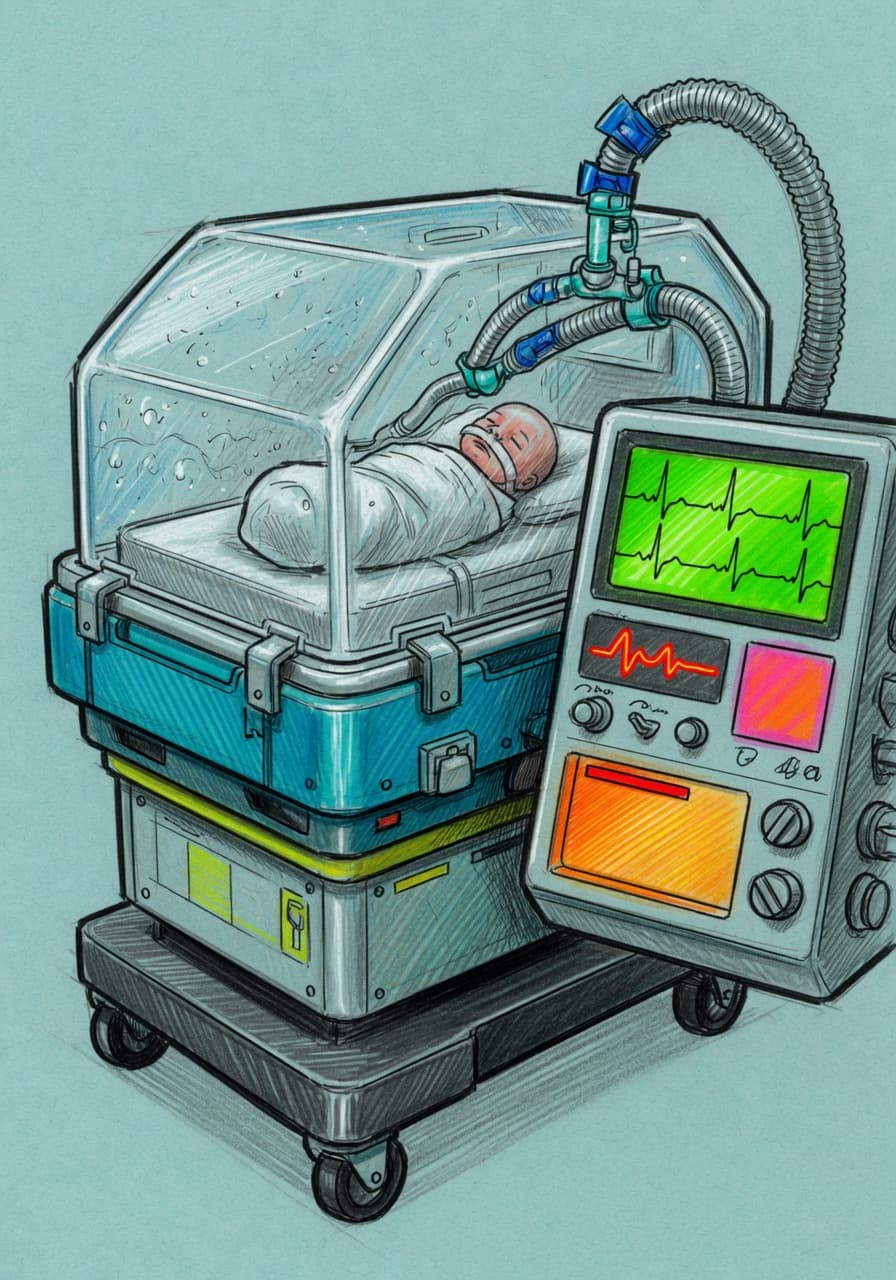
Premature babies on a breathing machine sometimes need their breathing tube put back in within days of it being removed. Three new studies looked at which babies are most likely to need this, whether a 3-minute breathing test works as well as a 10-minute one, and what it means afterwards. Being…

scientificclinicalfamily
Lineages, Prematurity and Prevention: Infant Group B Streptococcal Disease Through the Lens of Two National Genomic Surveillance Programmes
Epidemiology & BiostatisticsGenetics & Genomics

Lineages, Prematurity and Prevention: Infant Group B Streptococcal Disease Through the Lens of Two National Genomic Surveillance Programmes

Group B Strep is a common bacterium that can cause rare but serious infections in young babies. Two large studies from the Netherlands and Denmark found that these infections have become more common in Dutch babies despite antibiotics given during labour, that babies born very early tend to fall…

scientificclinicalfamily
Beyond Prematurity: How Gestational-Age Composition and Within-Gestation Risk Shape the Black–White Infant Mortality Gap
Epidemiology & BiostatisticsHealth Systems & Policy

Beyond Prematurity: How Gestational-Age Composition and Within-Gestation Risk Shape the Black–White Infant Mortality Gap

In the United States, babies born to Black mothers are more than twice as likely to die before their first birthday as babies born to White mothers. A study of nearly 58 million births found that early birth still explains most of this difference, but a growing part, now about one-third, comes from…

scientificclinicalfamily
Labour Epidural Analgesia and the Child: From Serious Neonatal Morbidity and Cerebral Palsy to Behaviour at Eleven Years
Epidemiology & BiostatisticsNeuroscience

Labour Epidural Analgesia and the Child: From Serious Neonatal Morbidity and Cerebral Palsy to Behaviour at Eleven Years

Many parents worry that an epidural in labour might harm their baby. Two large 2026 studies, of nearly half a million births in Scotland and almost 2,000 Swedish children followed to age eleven, found no evidence that epidurals increase the risk of serious newborn illness, death, cerebral palsy or…

scientificclinicalfamily
Can Tolerance Be Taught Before Weaning? A Randomised Test of High Maternal Egg and Peanut Intake During Pregnancy and Lactation
Randomized Clinical TrialImmunology

Can Tolerance Be Taught Before Weaning? A Randomised Test of High Maternal Egg and Peanut Intake During Pregnancy and Lactation

Many parents-to-be with allergies in the family wonder whether eating more egg and peanut while pregnant and breastfeeding could protect their baby. A large Australian study of 2,137 pregnant women found that babies whose mothers ate lots of these foods were about as likely to have egg or peanut…

scientificclinicalfamily
In-Utero Metformin Exposure Across Childhood: Neonatal Glycaemia, Allergic Disease and Developmental Vulnerability at School Entry
PharmacologyEpidemiology & Biostatistics

In-Utero Metformin Exposure Across Childhood: Neonatal Glycaemia, Allergic Disease and Developmental Vulnerability at School Entry

Many pregnant women take metformin, a blood-sugar tablet that also reaches the baby. Three new studies suggest that, compared with insulin injections, it slightly lowers the chance of low blood sugar after birth and does not appear to affect children's development when they start school, while one…

scientificclinicalfamily