A large U.S. study found that a calm, family-centered way of caring for newborns going through opioid withdrawal—called Eat, Sleep, Console—let babies leave the hospital ready for discharge about a week sooner than the older method, and cut the number of babies who needed medication by more than…
A big new study found that when newborns going through opioid withdrawal need medicine, giving a dose only when their symptoms flare up — instead of a fixed, around-the-clock schedule — helped them become medically ready to go home about two days sooner and with far less total medicine…
When a baby is born deprived of oxygen and develops a brain injury called hypoxic-ischemic encephalopathy, the standard treatment is to cool the baby's body for three days to protect the brain. During those three days the baby needs medicine to stay calm and comfortable, and for years that medicine…
When a newborn baby has a seizure, it is frightening for everyone — the family and the medical team alike. A new research review published in 2026 pulled together 26 earlier studies, covering nearly 10,000 babies, to answer a question that has lingered for decades: of the two medicines doctors most…
When a baby is born many weeks early, their tiny body cannot make enough red blood cells, and most premature babies end up needing blood transfusions. A large United States study tested whether a weekly injection of darbepoetin — a long-lasting version of a natural hormone that tells the body to…
A large American study followed very premature babies who had been given a steroid called hydrocortisone, or a dummy treatment, to protect their fragile lungs — and then measured how those same children were doing when they reached early school age. The steroid made no difference, good or bad, to…
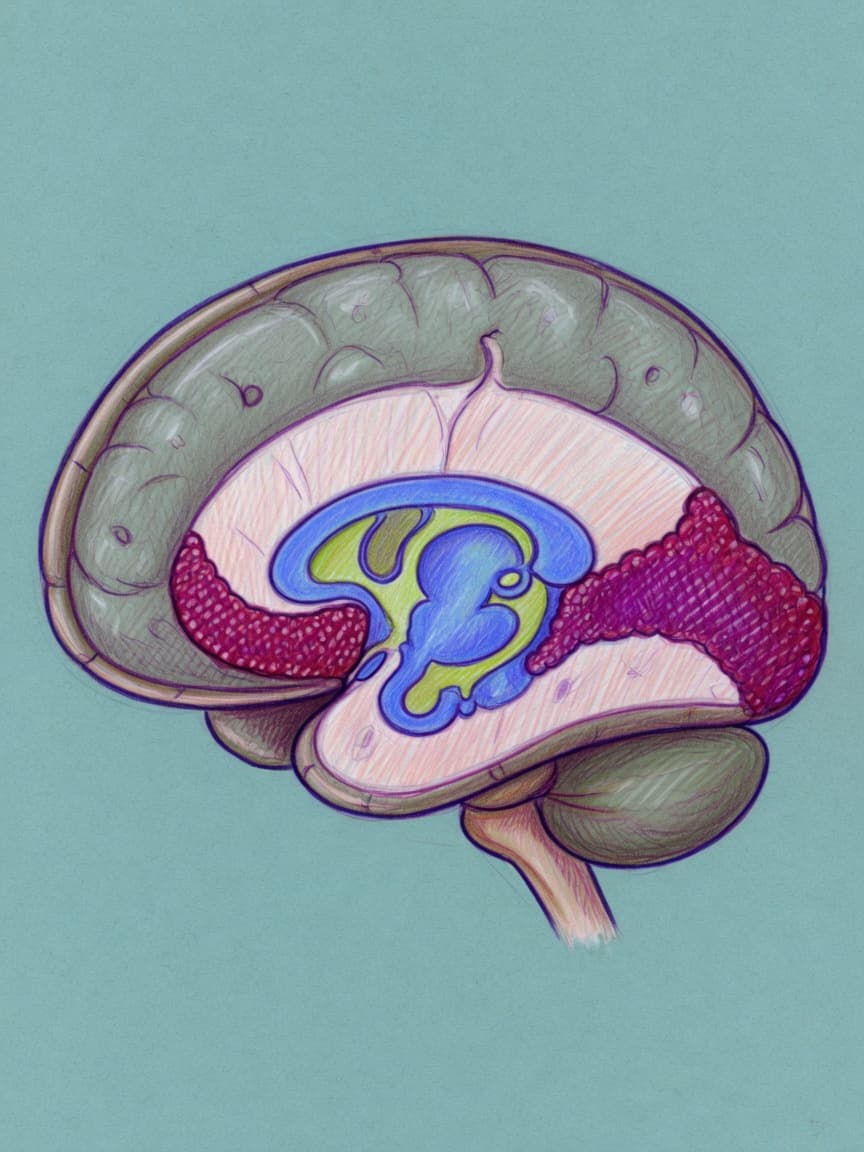
Most babies are born without incident. But sometimes, around the time of delivery, the baby's brain is temporarily deprived of oxygen — through a problem with the placenta, the umbilical cord, or the blood supply during a difficult labour. This is called hypoxic-ischaemic encephalopathy, or HIE — a…
When a baby is born more than three months early, breathing is one of the first and most urgent medical challenges. Premature lungs are too immature to work on their own, and many extremely premature babies develop a chronic lung condition called bronchopulmonary dysplasia (BPD) during their NICU…
Sometimes a baby is deprived of oxygen and blood flow around the time of birth — because of a problem with the placenta, the umbilical cord, or labor itself. When that happens, the brain can be injured in the hours and days that follow, a condition doctors call hypoxic-ischemic encephalopathy, or…
When a baby is born extremely early — before 28 weeks of pregnancy, more than three months ahead of the due date — the first few days of life are the most fragile. Even with the best modern care, about one in five of these babies does not survive, and some of those who do grow up with lasting…