8 articles in Maternal-Fetal Medicine

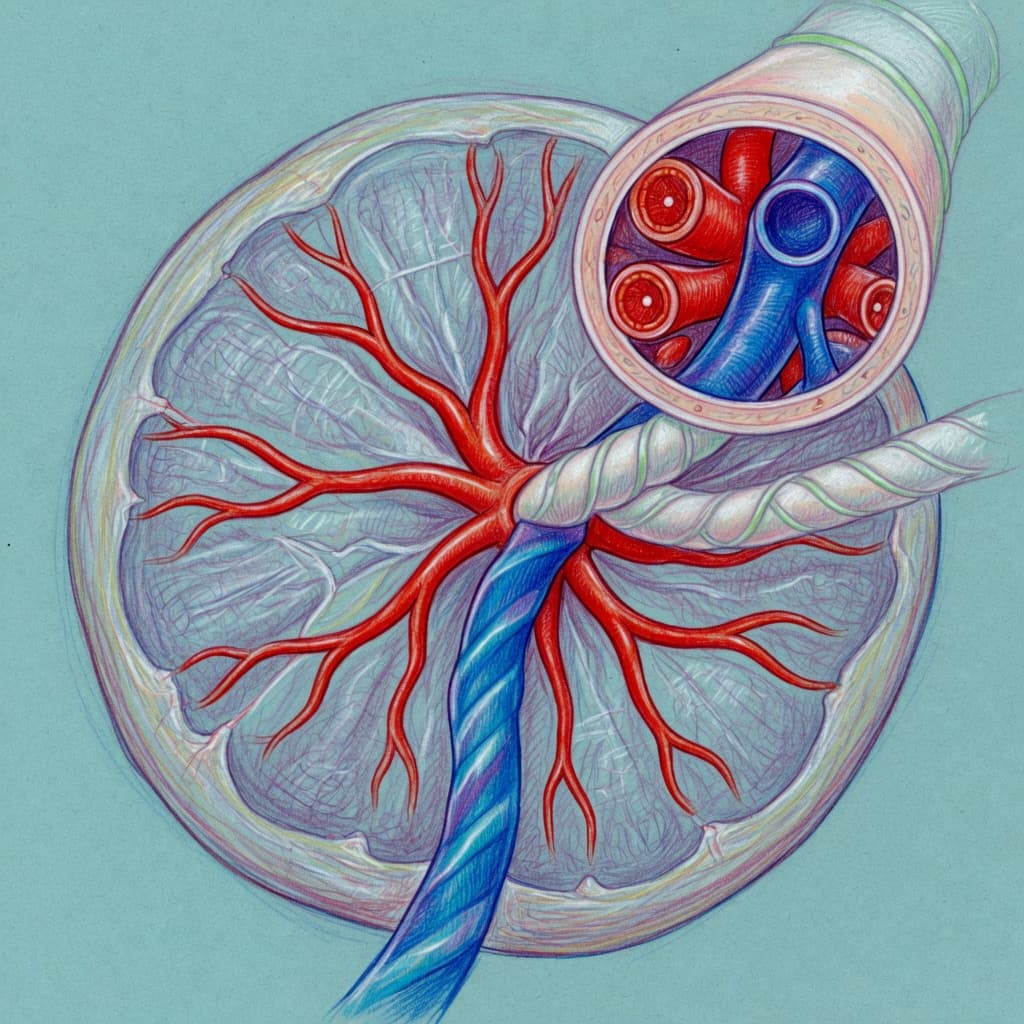
After the Laser: Four 2025–2026 Cohorts on Fetal Death, Cardiac Recovery, and Membrane Failure in Twin–Twin Transfusion Syndrome
SurgeryEpidemiology & Biostatistics

After the Laser: Four 2025–2026 Cohorts on Fetal Death, Cardiac Recovery, and Membrane Failure in Twin–Twin Transfusion Syndrome

Identical twins who share a placenta can also end up sharing their blood supply, and when that sharing goes wrong one baby is starved while the other is overloaded. Laser surgery inside the womb can separate the two circulations and give both babies a chance. Four studies published in 2025 and 2026…

scientificclinicalfamily
Delivering the Membranes Intact: An Okinawan Retrospective Cohort and the Association Between En Caul Caesarean Section and Severe Intraventricular Haemorrhage
Epidemiology & BiostatisticsSurgery

Delivering the Membranes Intact: An Okinawan Retrospective Cohort and the Association Between En Caul Caesarean Section and Severe Intraventricular Haemorrhage

A hospital in Okinawa, Japan looked back at 252 babies born weighing under 1,000 grams and studied a surgical technique in which the baby is lifted out at caesarean still inside its unbroken bag of waters. Severe bleeding in the brain occurred in 4.8% of babies delivered that way, compared with…

scientificclinicalfamily
Antenatal Betamethasone at 34-36 Weeks: The ALPS Trial
Randomized Clinical Trial

Antenatal Betamethasone at 34-36 Weeks: The ALPS Trial

Most people imagine premature birth as happening very early — at 24 or 28 weeks. But the most common type of premature birth is "late preterm" — at 34 to 36 weeks of pregnancy. Late preterm babies represent about 70% of all premature births globally [1], and with roughly 14.9 million premature…

scientificclinicalfamily