45 articles — showing all

Managing Established Necrotizing Enterocolitis on Thin Evidence
Pharmacology

Managing Established Necrotizing Enterocolitis on Thin Evidence

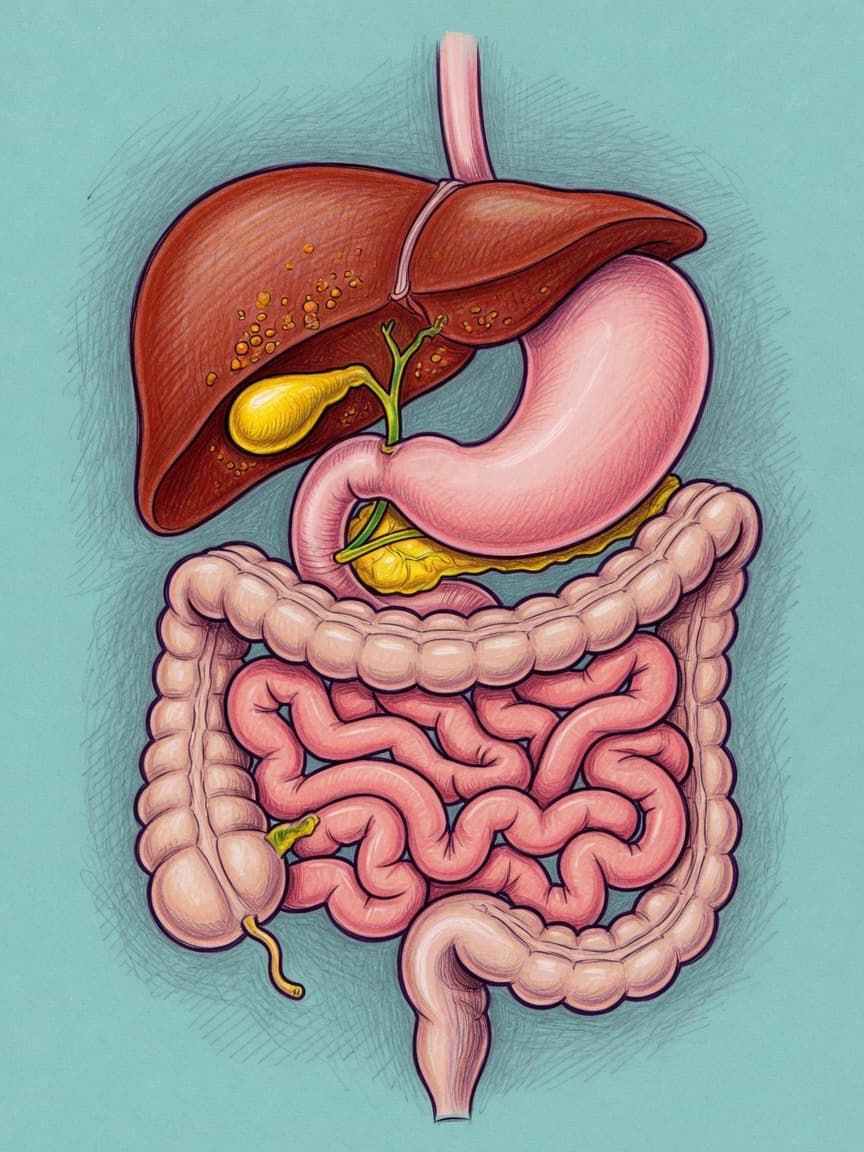
Necrotizing enterocolitis — usually shortened to NEC — is one of the most serious illnesses that can affect a premature baby. It is an inflammation and injury of the bowel that can come on quickly and make a baby very unwell. When NEC is diagnosed, the response is much the same in hospitals…

scientificclinicalfamily
Measuring the Unmeasurable: The Science of Neonatal Blood Gas Analysis
Physiology

Measuring the Unmeasurable: The Science of Neonatal Blood Gas Analysis

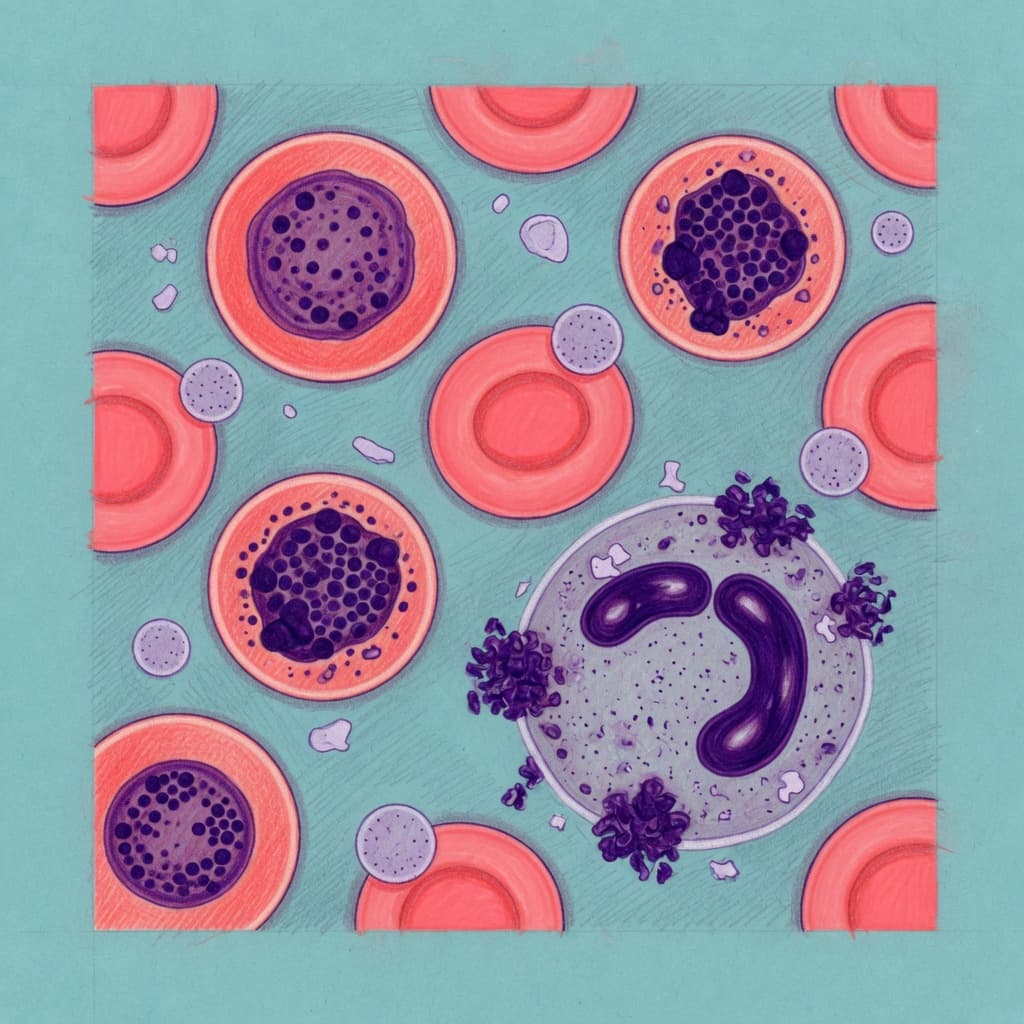
If your baby is in the neonatal intensive care unit (NICU), you may have noticed that healthcare staff regularly take small samples of blood and send them to a machine for analysis. These are called blood gas tests, and they are the single most frequently ordered test for babies in the NICU []…

scientificclinicalfamily
Oxygen Saturation Targeting in Extremely Preterm Infants: SUPPORT and NeOProM
Randomized Clinical Trial

Oxygen Saturation Targeting in Extremely Preterm Infants: SUPPORT and NeOProM

If your baby is in the neonatal intensive care unit, you have almost certainly fixed your eyes on the oxygen saturation reading — the percentage number on the monitor that rises and falls with every breath. Nurses watch it constantly. Alarms sound when it drops below a threshold. It may have become…

scientificclinicalfamily
Patent Ductus Arteriosus: History, Treatment Evolution, and the Road to TREOCAPA
Randomized Clinical Trial

Patent Ductus Arteriosus: History, Treatment Evolution, and the Road to TREOCAPA

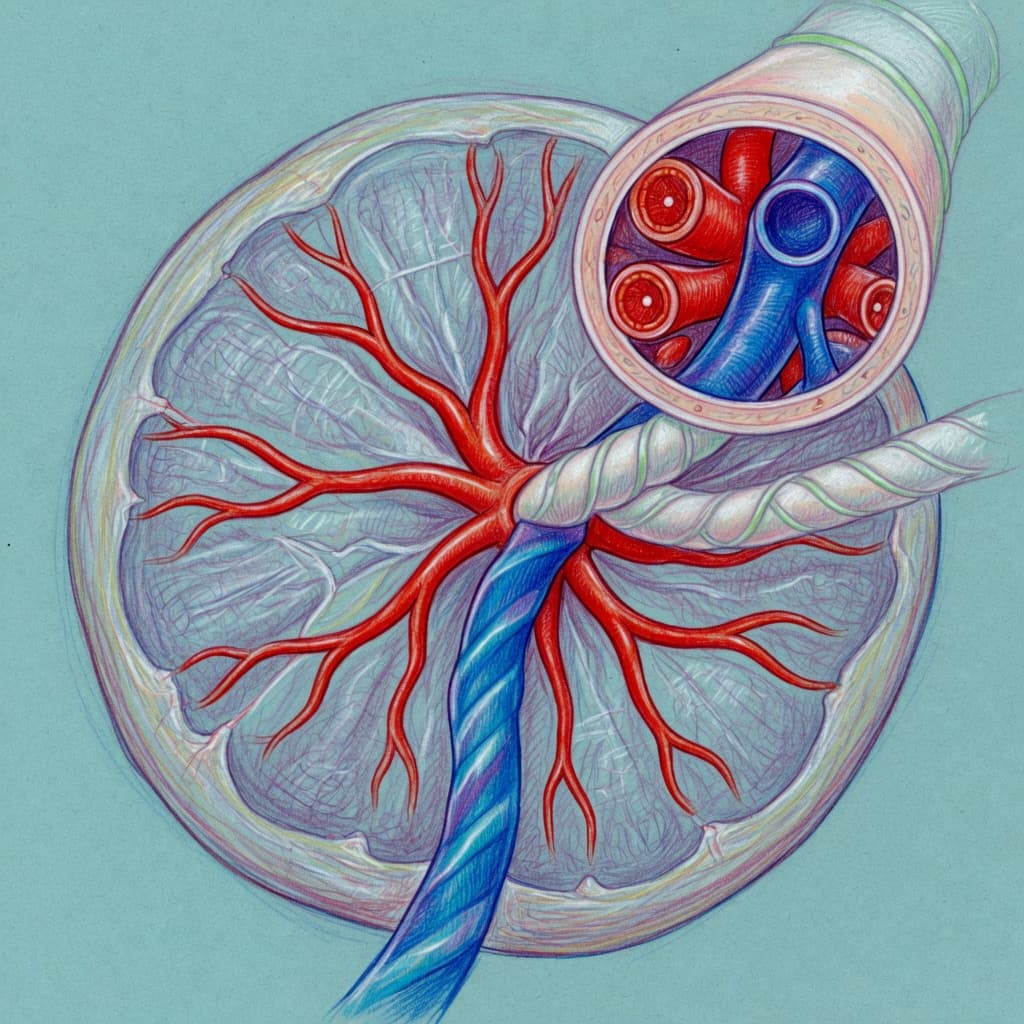
Before a baby is born, it doesn't use its lungs — it gets all the oxygen it needs from its mother through the placenta. Because the lungs aren't working yet, the fetal body has a clever shortcut: a small blood vessel called the ductus arteriosus that diverts blood away from the lungs and straight…

scientificclinicalfamily