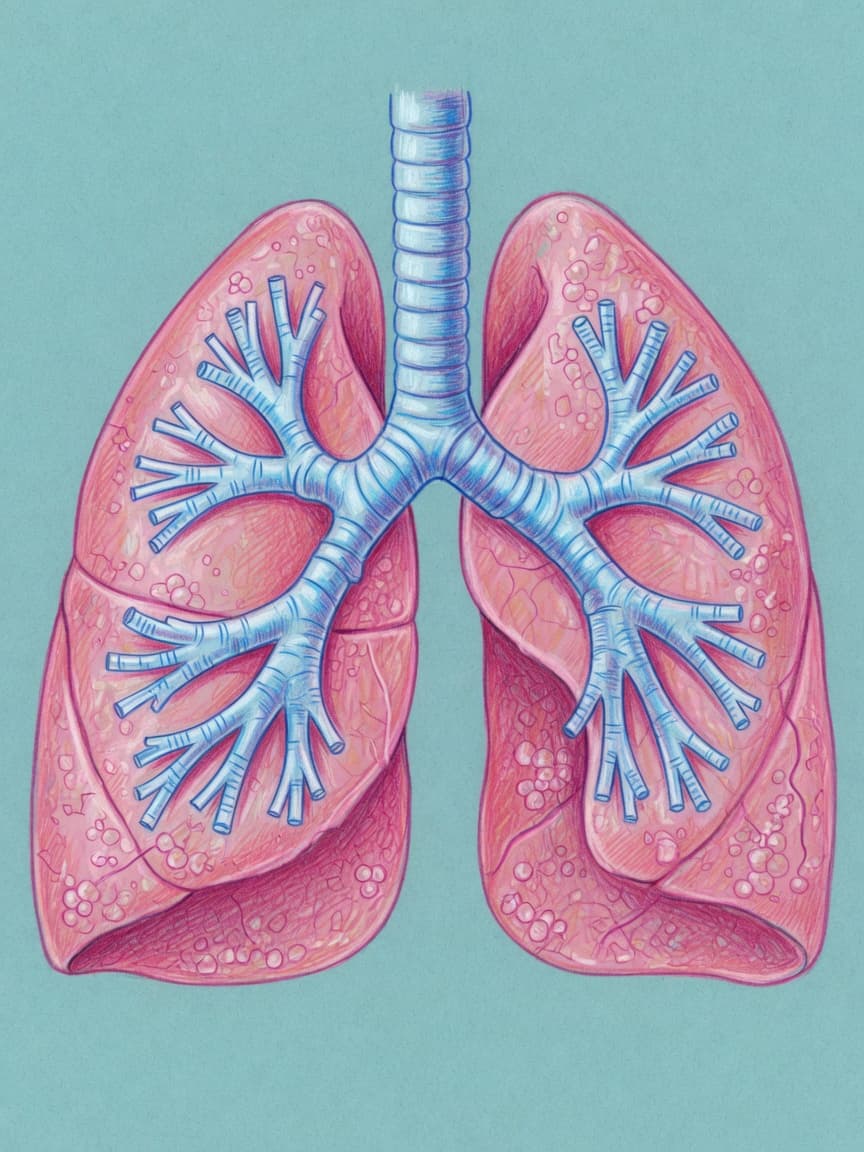
A new study of 89 very premature babies tested whether a painless bedside lung ultrasound—rather than clinical signs and oxygen levels—should decide which babies receive surfactant, the medicine that helps stiff, immature lungs stay open. Babies whose care was guided by ultrasound were far less…
When a baby is born many weeks early, their tiny body cannot make enough red blood cells, and most premature babies end up needing blood transfusions. A large United States study tested whether a weekly injection of darbepoetin — a long-lasting version of a natural hormone that tells the body to…
When a baby is born a few weeks early and the mother's own milk has not fully come in yet, the baby often needs a temporary top-up. A large, carefully blinded study from Australia tested whether that top-up should be donor human milk or infant formula, and found that the choice made no difference…
A large international study found that giving a small dab of sweet sugar gel to newborns at risk of low blood sugar slightly lowered how often those babies developed the problem, but did not reduce how many ended up needing care in the neonatal intensive care unit. The gel was safe, did not…
A large American study followed very premature babies who had been given a steroid called hydrocortisone, or a dummy treatment, to protect their fragile lungs — and then measured how those same children were doing when they reached early school age. The steroid made no difference, good or bad, to…
A new study called the ICAF trial tested whether keeping very premature babies on caffeine — a medicine used in nearly every newborn intensive care unit to steady fragile breathing — for several weeks longer than usual would reduce the brief drops in their blood-oxygen levels. The answer was clear…
Most people imagine premature birth as happening very early — at 24 or 28 weeks. But the most common type of premature birth is "late preterm" — at 34 to 36 weeks of pregnancy. Late preterm babies represent about 70% of all premature births globally [1], and with roughly 14.9 million premature…
Artificial intelligence, or AI, is moving into newborn intensive care — not as a robot doctor, but as a set of helpers that can take notes, search the medical literature, and draft summaries. Some of these tools are genuinely useful today, one has strong evidence behind it, and others are still…
Most babies are born without incident. But sometimes, around the time of delivery, the baby's brain is temporarily deprived of oxygen — through a problem with the placenta, the umbilical cord, or the blood supply during a difficult labour. This is called hypoxic-ischaemic encephalopathy, or HIE — a…
If your baby has been in a neonatal intensive care unit, you know the ritual. Before you can reach into the incubator, before you can lift your baby to your chest for skin-to-skin time, a nurse hands you a yellow gown — crinkly, too large, never quite fastening at the back — and sometimes a pair of…
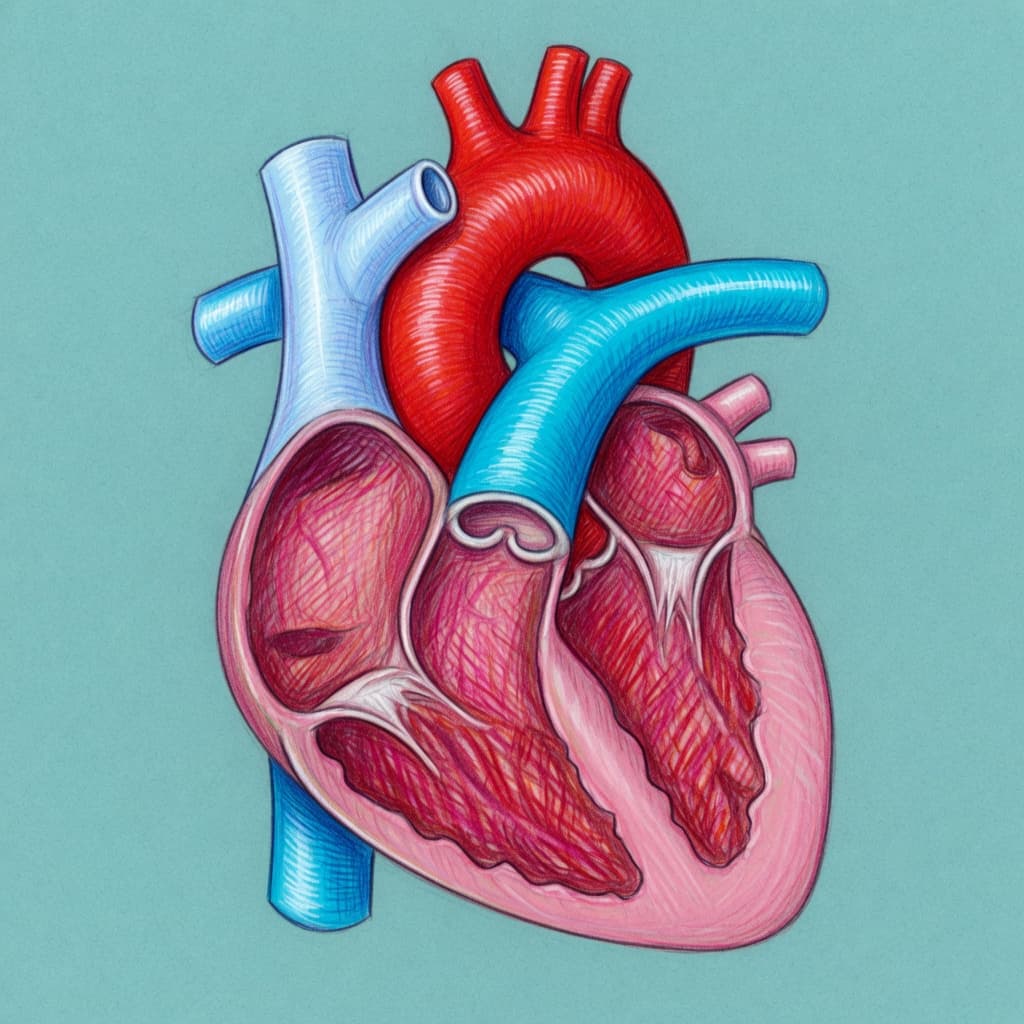
Some babies are born with serious heart conditions known as critical congenital heart disease, or CCHD — heart defects that can become life-threatening in the first months of life unless they are found and treated early. Many of these conditions lower the amount of oxygen in a baby's blood, often…
If your baby has spent time in a NICU, you've probably seen the growth chart. It hangs near the isolette, gets printed in weekly summaries, and comes up in nearly every conversation with the care team. Doctors and nurses plot your baby's weight, length, and head circumference on it regularly…