391 articles — showing all

When the Cause of Neonatal Jaundice Is Written in the Genome
Genetics & GenomicsEpidemiology & Biostatistics

When the Cause of Neonatal Jaundice Is Written in the Genome

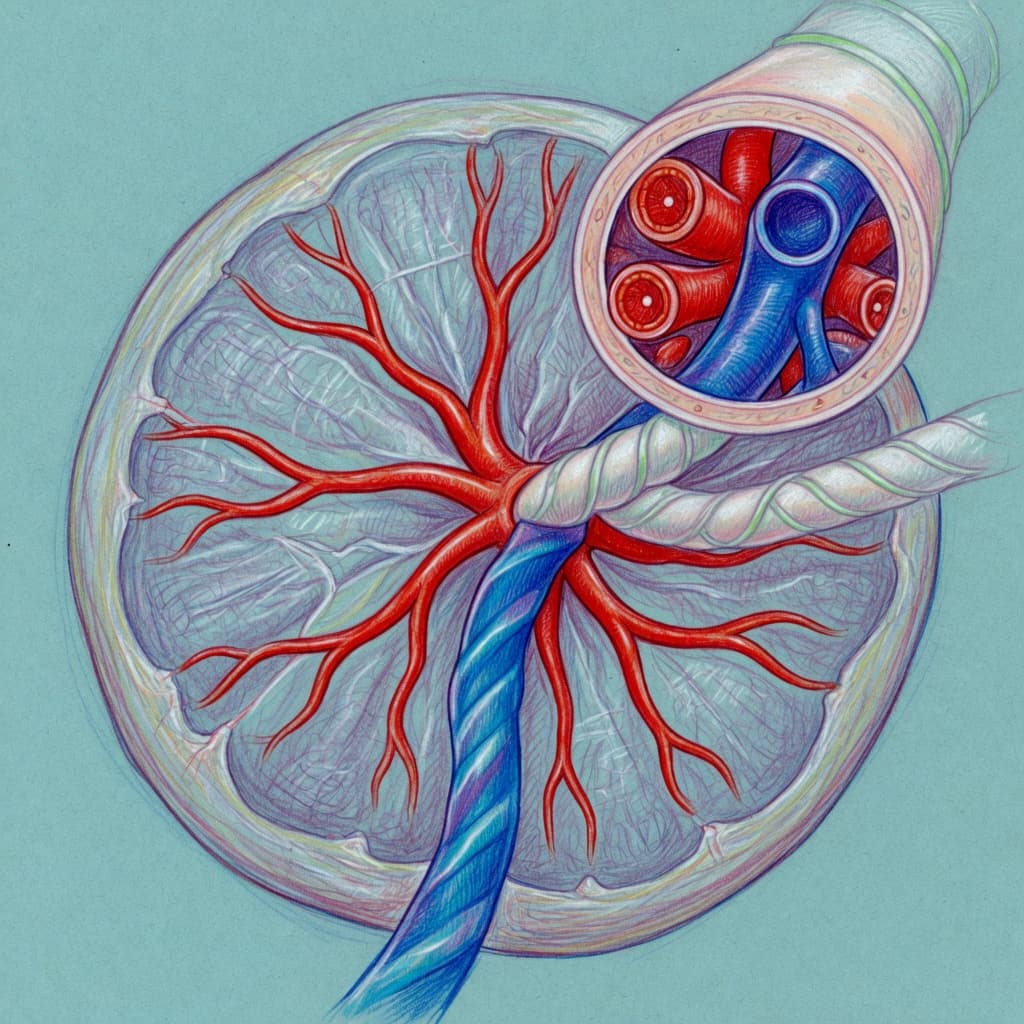
Most newborn jaundice is harmless and passes within a week or two, but a small group of babies turn yellow early, stay yellow longer, or need more treatment than expected — and in many of those babies the reason is something they inherited. Four studies published in 2026 in Thailand, Malaysia, and…

scientificclinicalfamily
The Palate Is Invisible Before Birth and Decisive After It: Detection, Genetic Yield, and Surgical Timing Across the Orofacial Cleft Spectrum
Epidemiology & BiostatisticsSurgery

The Palate Is Invisible Before Birth and Decisive After It: Detection, Genetic Yield, and Surgical Timing Across the Orofacial Cleft Spectrum

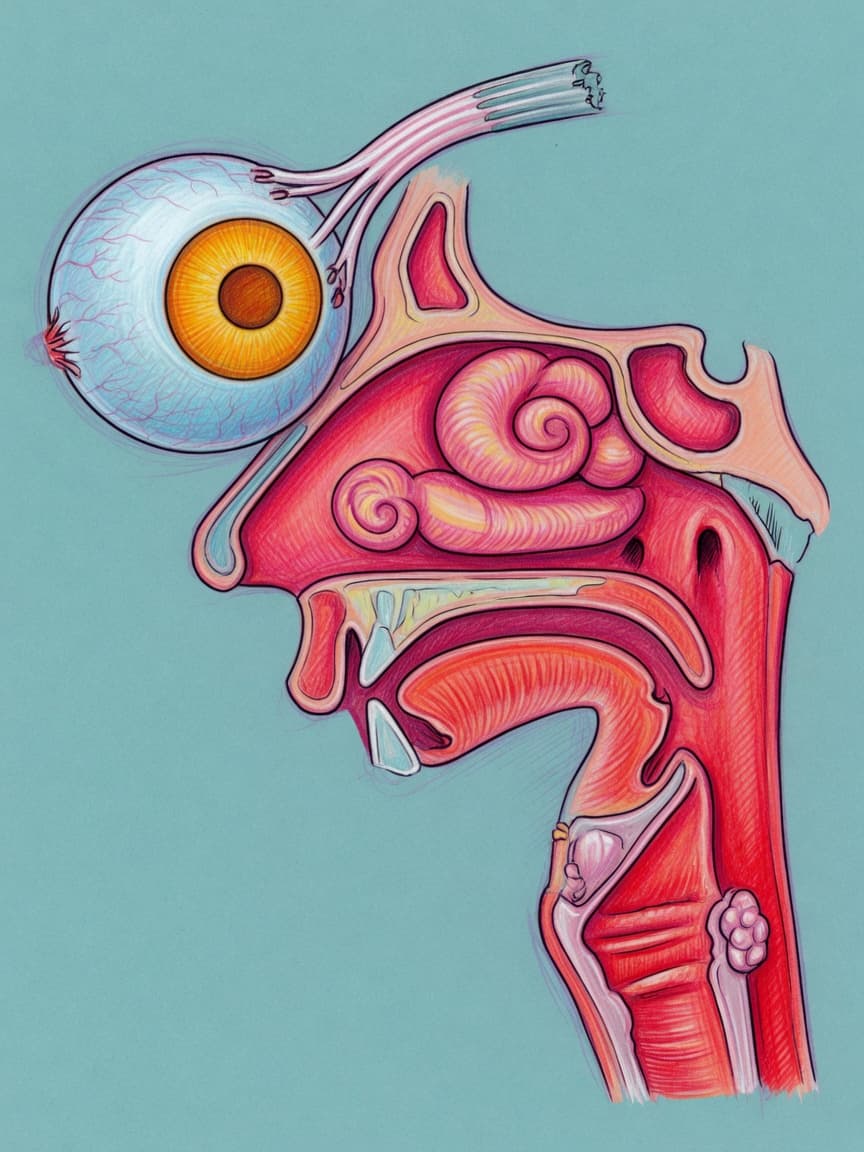
A cleft is a gap left where parts of a baby's face did not join during early pregnancy, and it can involve the lip, the roof of the mouth — the palate — or both. Pregnancy scans find a cleft lip easily but rarely find a cleft palate, and the palate is the part that decides whether a newborn can…

scientificclinicalfamily
Closing the Prenatal Detection Gap in Total Anomalous Pulmonary Venous Connection
Anatomy & EmbryologyEpidemiology & Biostatistics

Closing the Prenatal Detection Gap in Total Anomalous Pulmonary Venous Connection

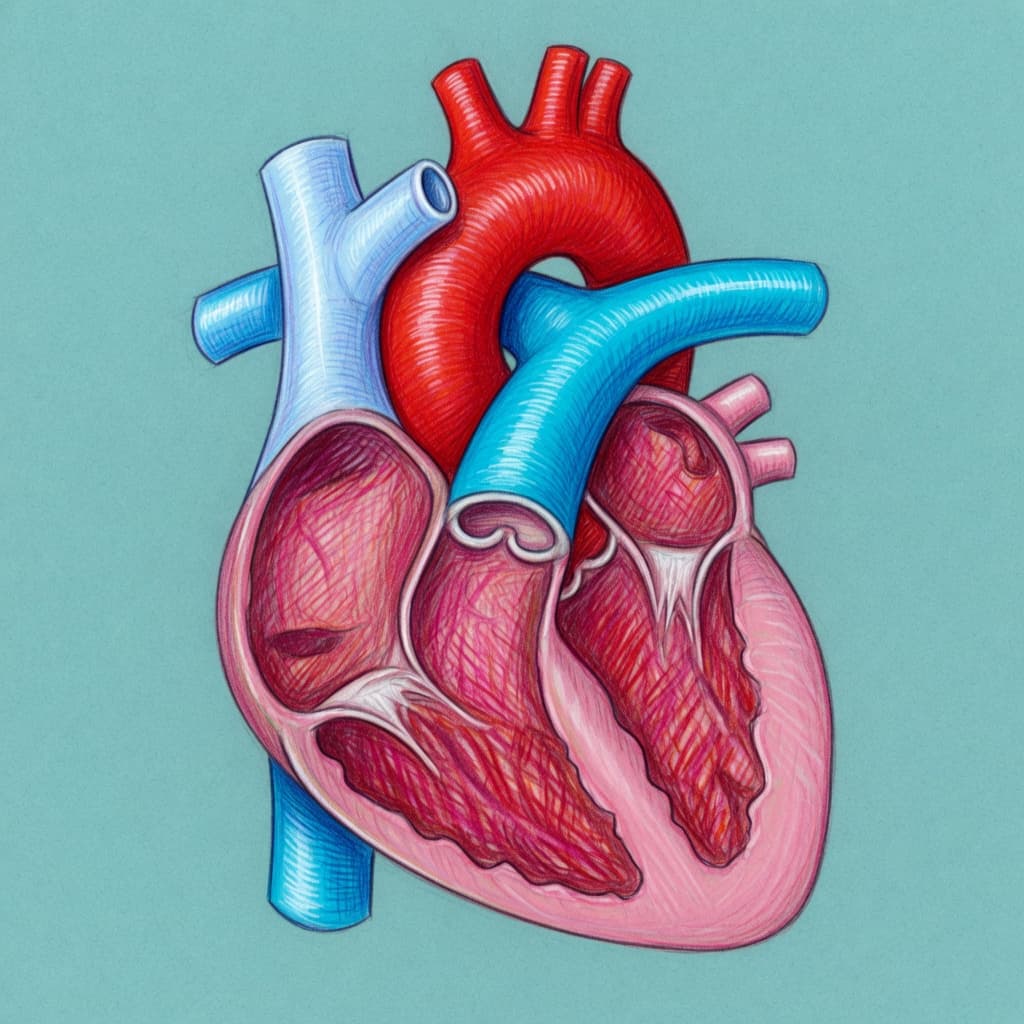
Total anomalous pulmonary venous connection is a rare heart difference in which the veins carrying oxygen-rich blood back from the lungs join the wrong side of the heart. Surgery can repair it, but babies do far better when it is found on an ultrasound scan before birth — and it is one of the…

scientificclinicalfamily
The Week Before the Switch: Prenatal Prediction, Transitional Physiology and Preoperative Brain Injury in Transposition of the Great Arteries
PhysiologyNeuroscience

The Week Before the Switch: Prenatal Prediction, Transitional Physiology and Preoperative Brain Injury in Transposition of the Great Arteries

Transposition of the great arteries is a heart condition present at birth in which the two main arteries leaving the heart are connected the wrong way round. Surgery to correct it is now very successful, and most children grow up well. Four recent studies look at the part that is still hard: the…

scientificclinicalfamily