211 articles — showing all

Extending Permissive Hypercapnia Beyond the First Two Weeks: A Single-Centre Randomised Trial in Ventilator-Dependent Preterm Infants
Randomized Clinical TrialPhysiology

Extending Permissive Hypercapnia Beyond the First Two Weeks: A Single-Centre Randomised Trial in Ventilator-Dependent Preterm Infants

A 2025 study of 130 very premature babies who were still on a breathing machine at about two weeks of age found that allowing their blood carbon dioxide to sit a little higher than usual — while carefully keeping their blood chemistry within safe limits — helped them come off the machine sooner…

scientificclinicalfamily
A Randomized Causal Test of Maternal Speech on Preterm White-Matter Maturation
NeuroscienceEpidemiology & Biostatistics

A Randomized Causal Test of Maternal Speech on Preterm White-Matter Maturation

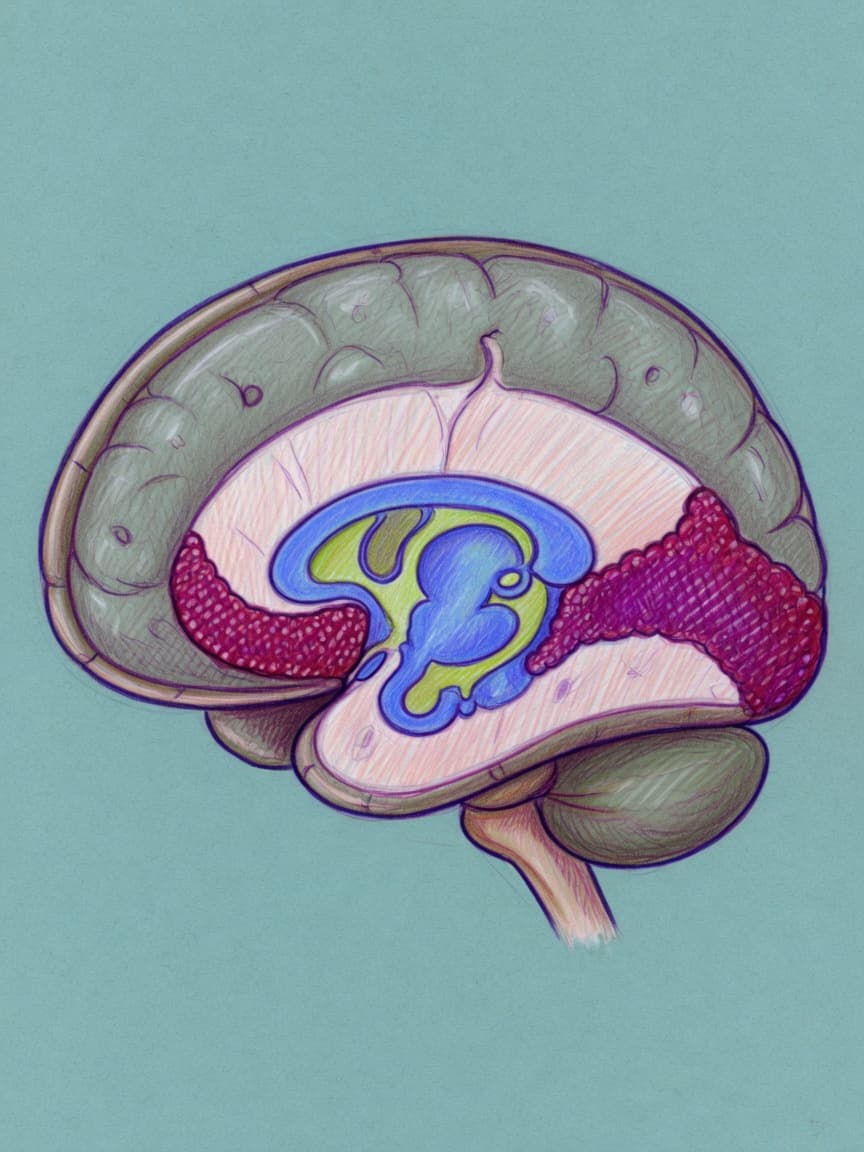
When premature babies in a newborn intensive care unit were played nightly recordings of their own mother reading a storybook, a language-related pathway in their brains grew more mature than it did in babies who heard no recordings. The extra listening caused no harm to the babies' breathing…

scientificclinicalfamily
A Global Map of Preterm Milk Fortification, and How Little the Trials Can Tell Us
Nutrition & MetabolismEpidemiology & Biostatistics

A Global Map of Preterm Milk Fortification, and How Little the Trials Can Tell Us

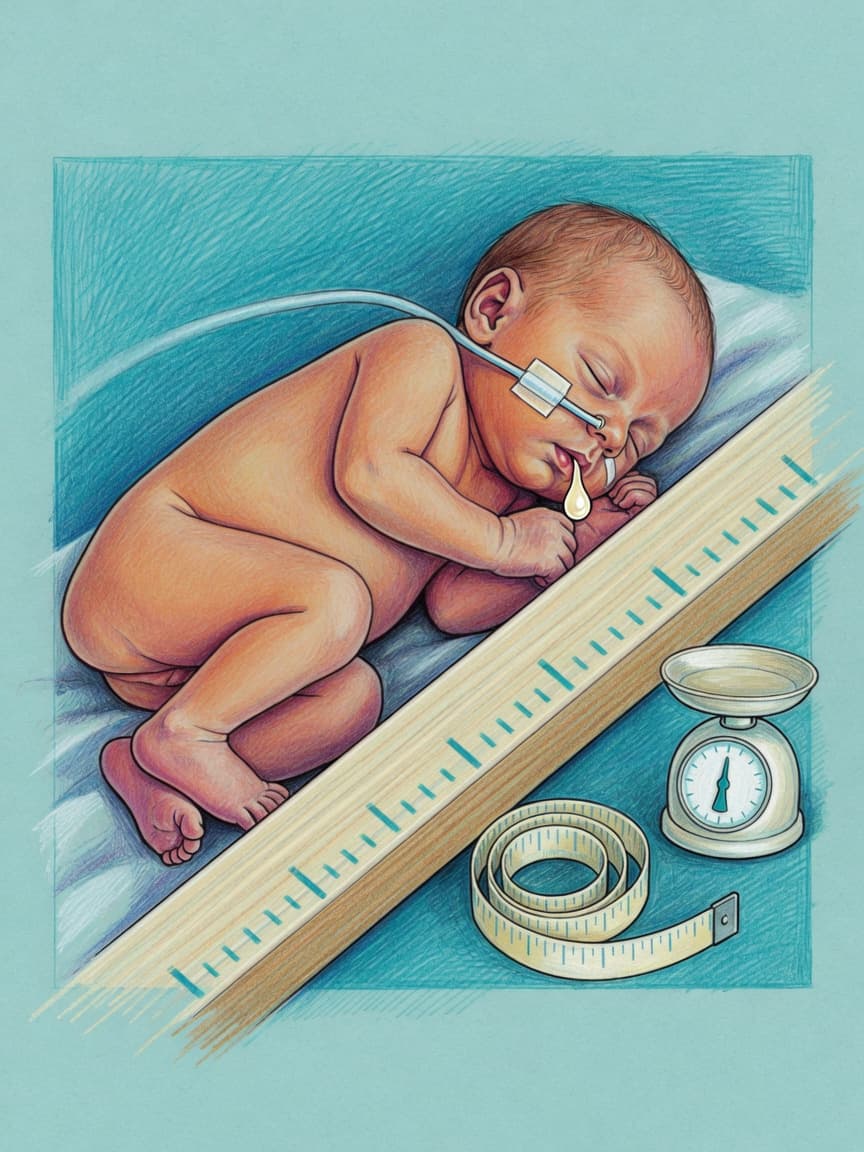
When a baby is born many weeks early, breast milk is the best food a parent can give — but on its own it does not contain enough protein, calcium, and calories for a tiny baby who still needs to grow at the rapid pace of the womb. For decades, NICU teams have solved this by "fortifying" milk…

scientificclinicalfamily
Oscillation Without Advantage on Reintubation: A Head-to-Head Trial of Nasal High-Frequency Oscillation Versus Non-Synchronized NIPPV After Extubation
Randomized Clinical TrialPhysiology

Oscillation Without Advantage on Reintubation: A Head-to-Head Trial of Nasal High-Frequency Oscillation Versus Non-Synchronized NIPPV After Extubation

When a premature baby is well enough to come off a breathing machine, doctors still usually give gentle breathing help through the nose for a while. A new study compared two of those nasal methods in babies born about six to eight weeks early. Both kept the same number of babies from needing the…

scientificclinicalfamily
Belief as a Mechanism: Internal Locus of Control Partially Mediates the Link Between Discharge Teaching Quality and Parental Caregiving Competence
Health Systems & PolicyEpidemiology & Biostatistics

Belief as a Mechanism: Internal Locus of Control Partially Mediates the Link Between Discharge Teaching Quality and Parental Caregiving Competence

Researchers asked 409 parents of premature babies, on the very day their baby was discharged from a newborn intensive care unit, how good the hospital's teaching had been and how ready they felt to care for their child. Parents who rated the teaching more highly did feel more capable — and part of…

scientificclinicalfamily
Standardising the Signal: A Single-Device, Neonatal-Sensor Trial of Cerebral Oximetry–Guided Care in Infants Born Before 29 Weeks
Randomized Clinical TrialNeuroscience

Standardising the Signal: A Single-Device, Neonatal-Sensor Trial of Cerebral Oximetry–Guided Care in Infants Born Before 29 Weeks

A research team in Australia, New Zealand and the United States tested whether a small sensor placed on a premature baby's forehead — one that continuously measures how much oxygen is reaching the brain — helps the medical team keep that oxygen level steady. In 100 babies born before 29 weeks of…

scientificclinicalfamily