391 articles — showing all

Hypertensive Disorders of Pregnancy and the Very Preterm Infant: Clustered Neonatal Morbidity, Childhood Neurodevelopment and the Problem of Adjusting for Gestation
Epidemiology & BiostatisticsMeta-analysis

Hypertensive Disorders of Pregnancy and the Very Preterm Infant: Clustered Neonatal Morbidity, Childhood Neurodevelopment and the Problem of Adjusting for Gestation

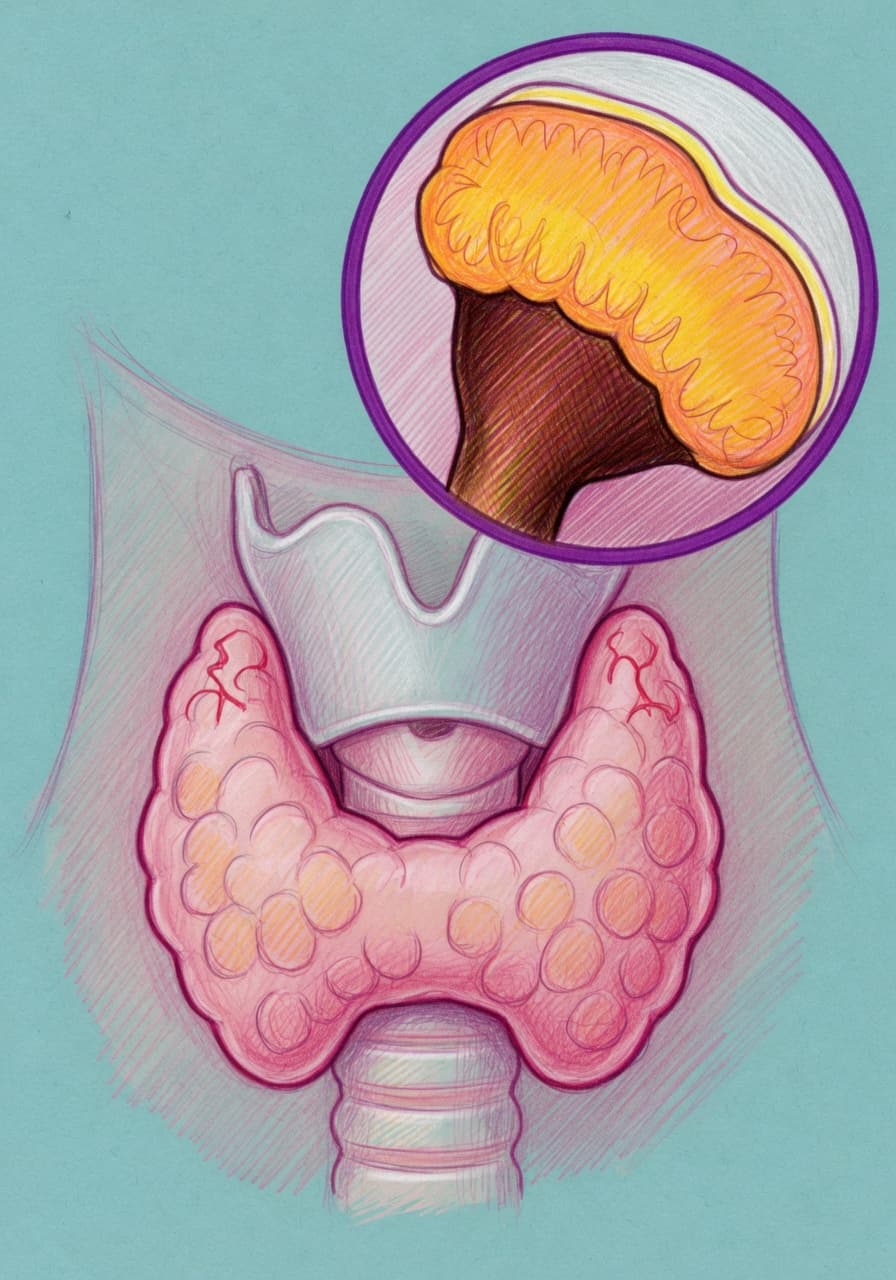
High blood pressure in pregnancy, including pre-eclampsia, is a common reason babies are born very early. New research suggests these babies are more likely to grow slowly in hospital alongside a second problem such as liver strain, an underactive thyroid or lung disease, and that children exposed…

scientificclinicalfamily
Reading Encephalopathy Severity in the Blood: Whole-Blood Transcriptomic Signatures Separate Mild From Moderate-to-Severe Hypoxic-Ischaemic Encephalopathy Within Hours of Birth
Genetics & GenomicsPathophysiology

Reading Encephalopathy Severity in the Blood: Whole-Blood Transcriptomic Signatures Separate Mild From Moderate-to-Severe Hypoxic-Ischaemic Encephalopathy Within Hours of Birth

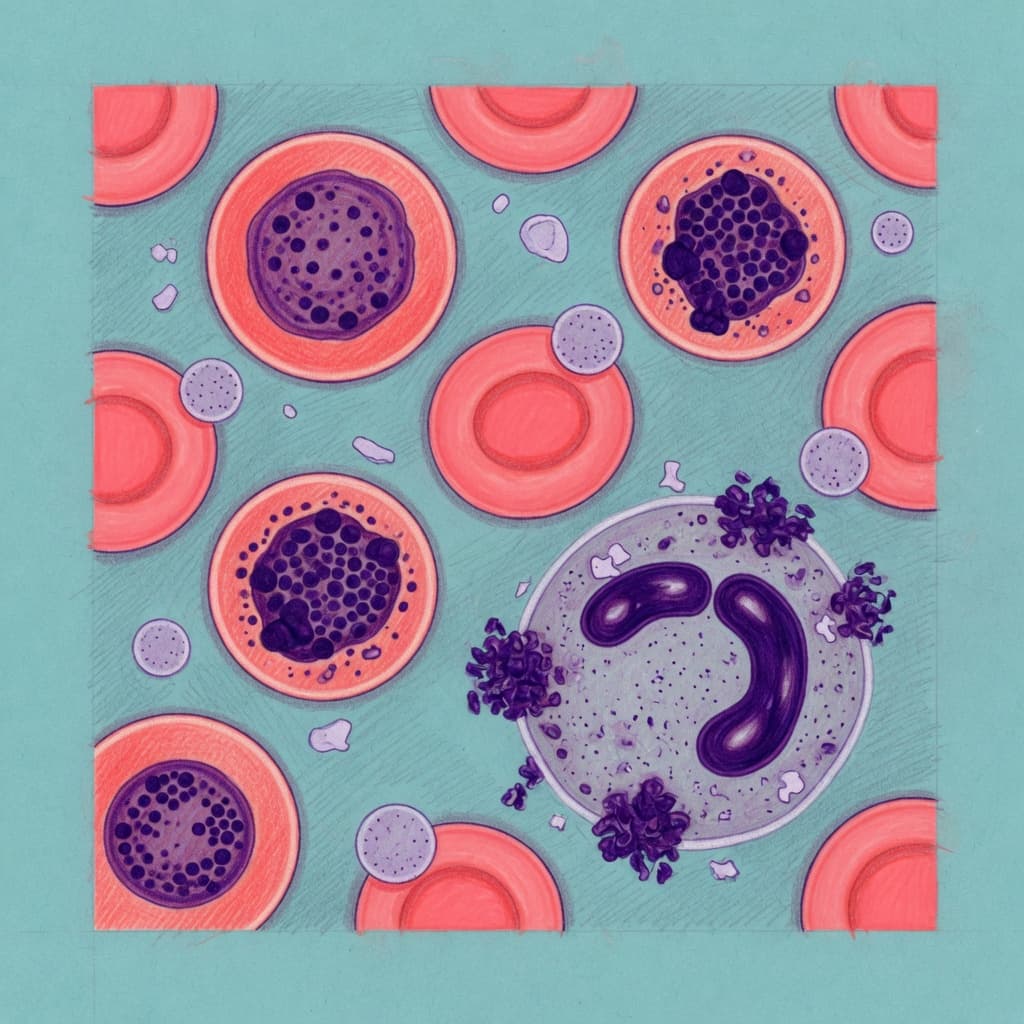
When a baby's brain is short of oxygen around birth, doctors have only a few hours to judge how serious the injury is and whether cooling treatment will help. A study of 112 newborns in the United Kingdom and Italy found that a tiny blood sample taken in the first hours of life showed different…

scientificclinicalfamily
Counting Every Drop: Diagnostic Blood Loss in Extremely Preterm Infants and the Evidence Behind Blood-Sparing Strategies
Epidemiology & BiostatisticsHealth Systems & Policy

Counting Every Drop: Diagnostic Blood Loss in Extremely Preterm Infants and the Evidence Behind Blood-Sparing Strategies

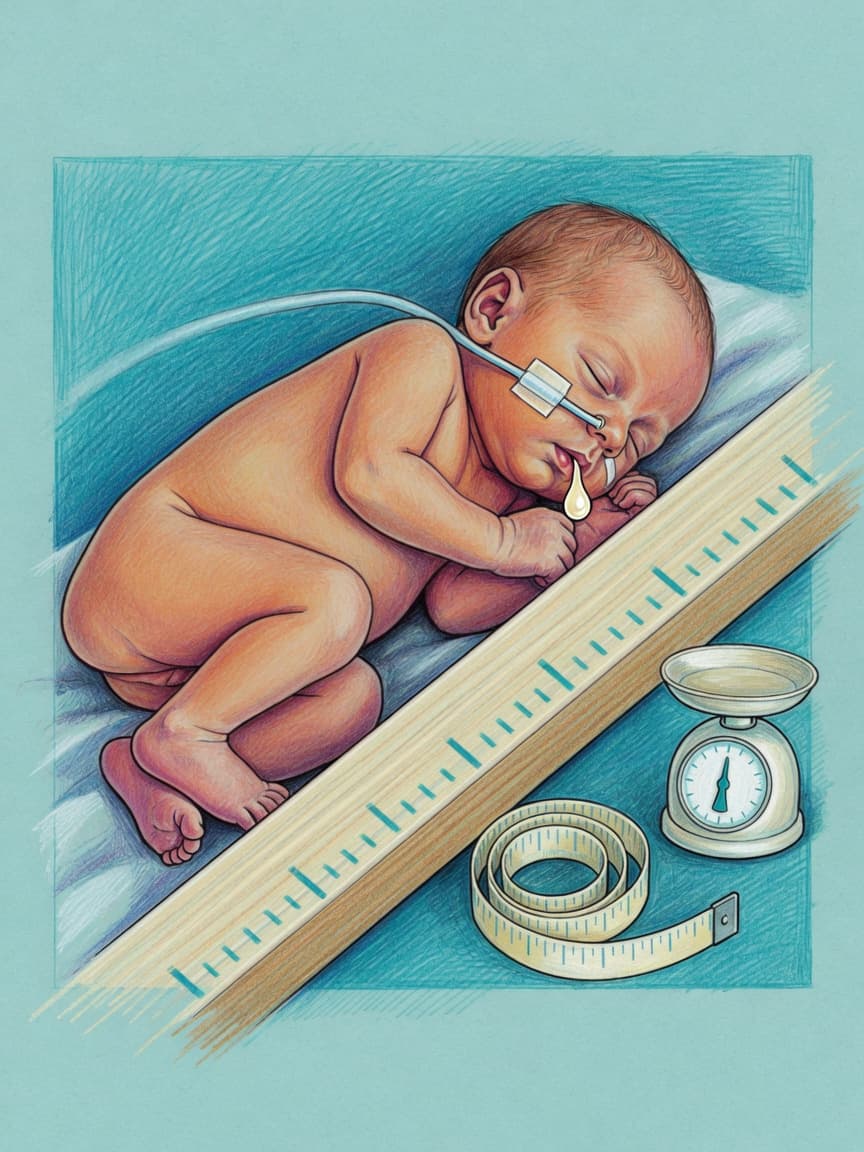
Babies born very early need frequent blood tests, and because they have so little blood to begin with, the small amounts taken for testing add up quickly. A large study across 22 European countries found that hospitals differ widely in how much blood their laboratory machines need, and two smaller…

scientificclinicalfamily
Neurally Adjusted Ventilatory Assist After Congenital Diaphragmatic Hernia Repair: Lower Oxygenation Index at Lower Airway Pressures in a Small Randomised Crossover Trial
PhysiologyRandomized Clinical Trial

Neurally Adjusted Ventilatory Assist After Congenital Diaphragmatic Hernia Repair: Lower Oxygenation Index at Lower Airway Pressures in a Small Randomised Crossover Trial

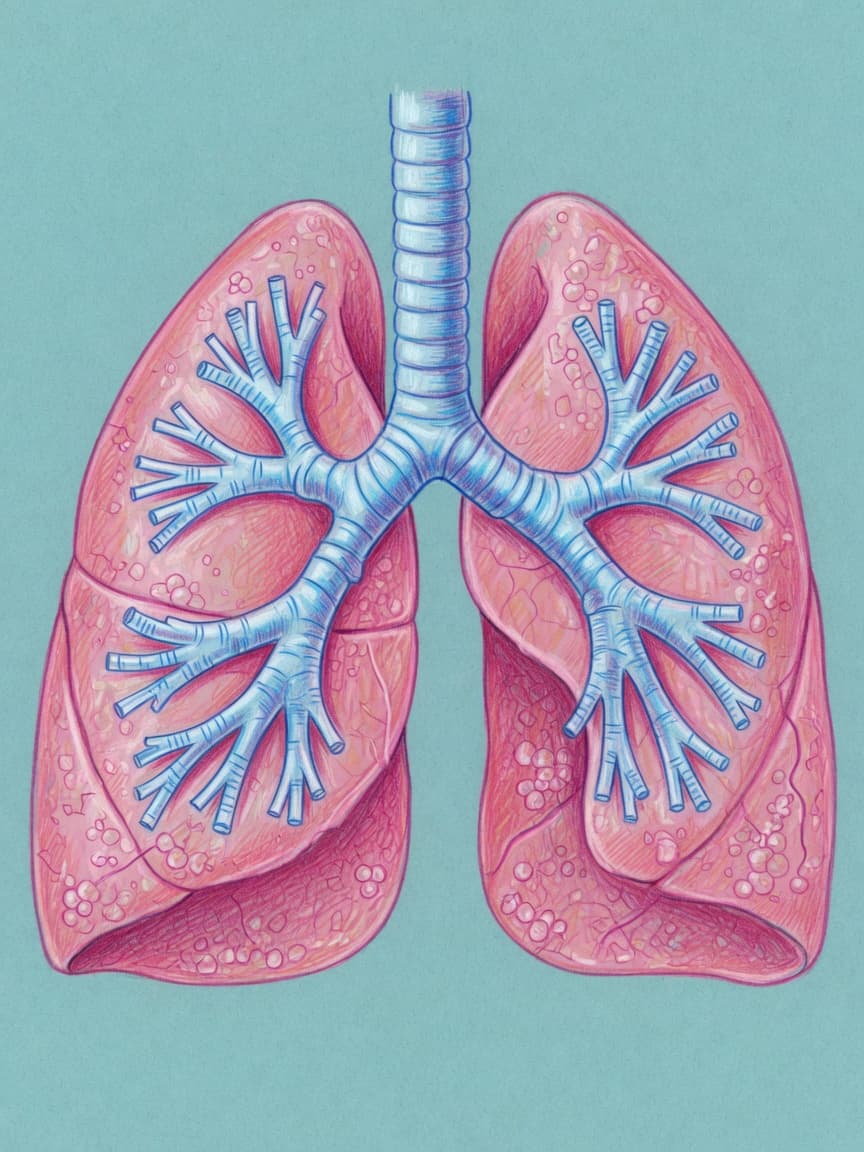
After surgery for a congenital diaphragmatic hernia, most babies need a breathing machine while their small lungs recover; in a small London study, nine such babies each spent four hours on the usual setting and four hours on NAVA, a setting that follows the baby's own breathing signal. All nine…

scientificclinicalfamily
Beyond the Positive Blood Culture: Hidden Infection, Heterogeneous Organ Dysfunction and Long-Term Neurological Risk in Neonatal Sepsis
MicrobiologyEpidemiology & Biostatistics

Beyond the Positive Blood Culture: Hidden Infection, Heterogeneous Organ Dysfunction and Long-Term Neurological Risk in Neonatal Sepsis

Doctors usually decide whether a newborn has a serious infection by growing germs from a blood sample, but this test can miss infections and says little about how sick a baby is. Three new studies from Germany, the United States and Denmark suggest that testing the umbilical cord can reveal hidden…

scientificclinicalfamily
Can a Pleasant Odor Reduce Apnea of Prematurity in Infants on Nasal CPAP? Delivery, Dose and the Limits of Olfactory Stimulation
Randomized Clinical TrialPhysiology

Can a Pleasant Odor Reduce Apnea of Prematurity in Infants on Nasal CPAP? Delivery, Dose and the Limits of Olfactory Stimulation

Many babies born very early have short pauses in their breathing that can make their oxygen level and heart rate dip. Researchers in Zurich, Switzerland, tested whether a pleasant vanilla or strawberry smell placed inside the small mask that helps these babies breathe could reduce those episodes…

scientificclinicalfamily